Sports have always been more than just a game. For young people across the UK, participating in team sports such as football, rugby, basketball, and cricket provides an exceptional platform for developing essential life skills. At Synchrosity, we focus on blending athletic excellence with personal development, showing young athletes that leadership is cultivated not only through winning matches but through teamwork, resilience, and personal growth.
Sports and Leadership: A Natural Connection
Team sports naturally cultivate leadership qualities. Being part of a team requires communication, decision-making, and the ability to motivate others. Young athletes learn to listen to their teammates, understand different perspectives, and adapt their strategies in real time. These experiences mirror the leadership challenges they will face later in life, whether in professional settings, higher education, or community projects.
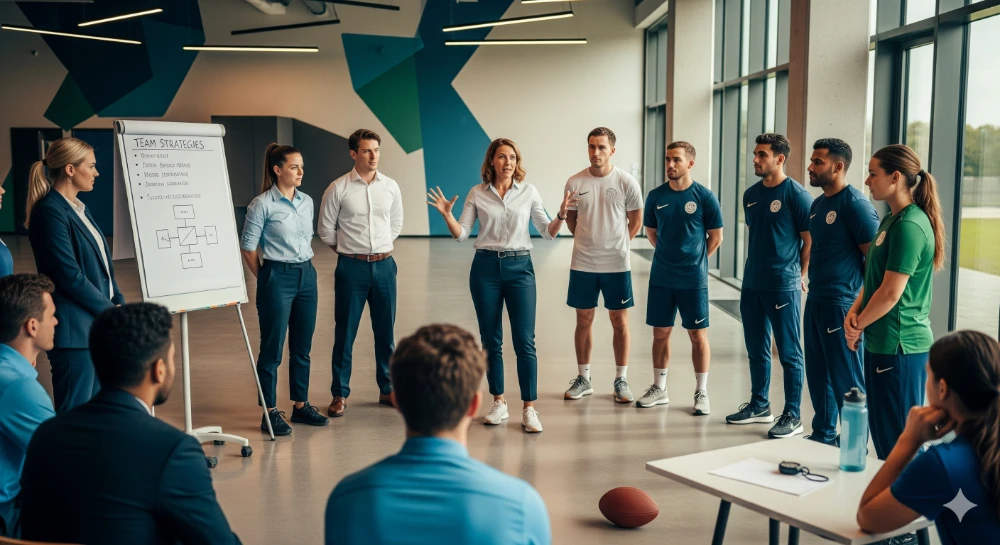
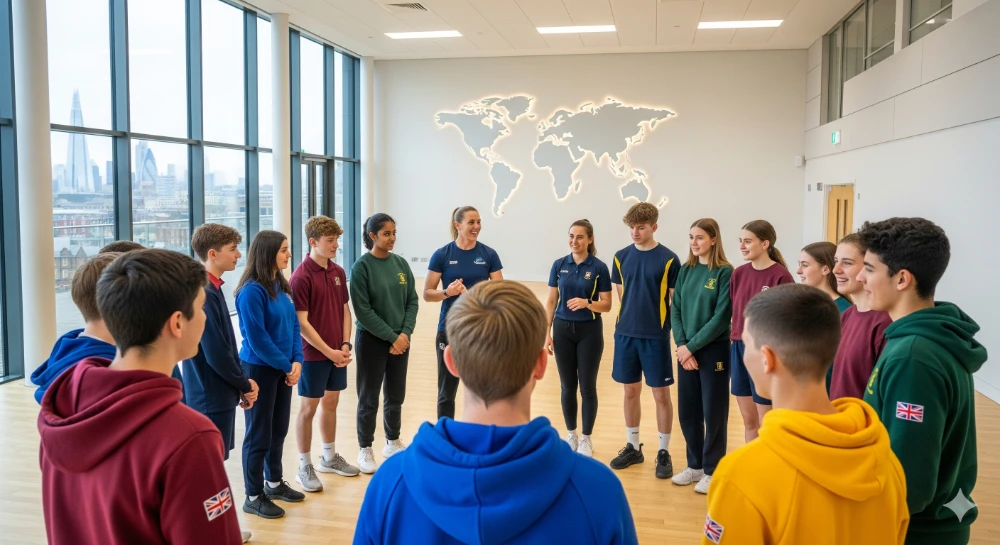
Our programs at Synchrosity emphasize these connections. Through structured activities and coaching exercises, teenagers are encouraged to take responsibility on and off the field. Leading a warm-up, coordinating drills, or guiding peers during a challenging game fosters confidence and accountability.
Learning Through Wins and Losses
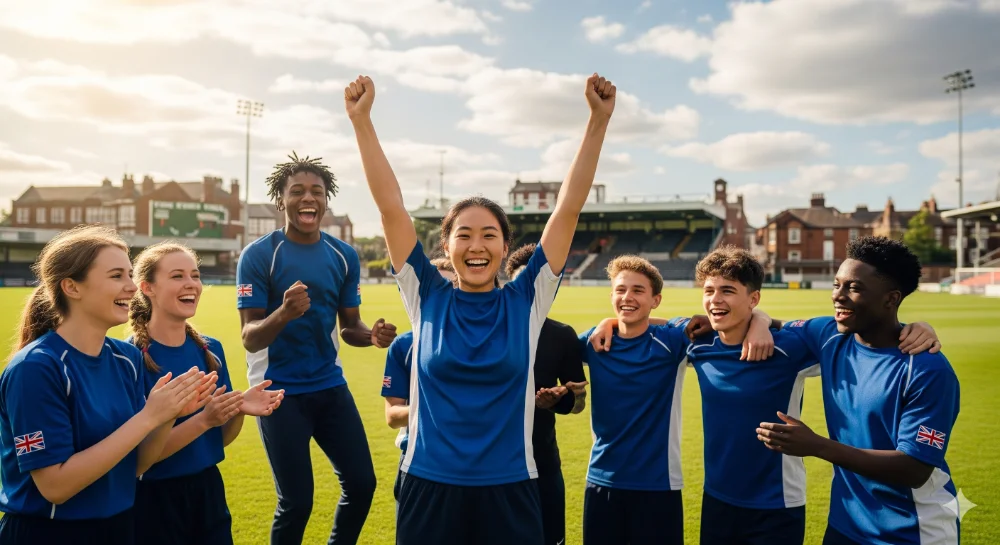
Leadership isn’t just about success; it’s about how young people respond to setbacks. In sports, losing a match can teach resilience, humility, and problem-solving skills. At Synchrosity, we encourage participants to reflect on what went wrong, identify opportunities for improvement, and apply these lessons to future scenarios. This approach helps build emotionally intelligent leaders who can manage pressure, support their peers, and remain focused on long-term goals.
Teamwork and Collaboration
One of the most important aspects of leadership is the ability to collaborate. Team sports provide a hands-on environment where teenagers can learn cooperation, negotiation, and empathy. When players understand each other’s strengths and weaknesses, they can work together to achieve common goals. Our leadership programs guide participants in understanding group dynamics and leveraging diverse talents—a skill that is highly valuable in both sports and professional environments.
Real-World Application: Leadership Beyond Sports
The skills developed on the pitch have practical applications beyond sports. Communication, decision-making, and teamwork are qualities that employers and educational institutions highly value. For instance, a young person who successfully leads a small group during a training session will find themselves more confident in school projects, volunteering roles, or workplace tasks. By integrating sports-based leadership training, Synchrosity helps young people transition smoothly from athletic environments to broader life challenges.
The UK Advantage
The UK has a rich sporting culture, and our programs leverage popular local sports to make leadership training relatable and engaging. Football, rugby, cricket, and basketball provide familiar contexts in which teenagers feel comfortable exploring leadership roles. By connecting with sports they love, participants are more motivated, enthusiastic, and ready to embrace leadership lessons.
Conclusion
At Synchrosity, we believe that leadership is a skill that can be nurtured through meaningful experiences. Sports provide the perfect framework for teaching responsibility, teamwork, resilience, and confidence. For young people in the UK, the lessons learned on the pitch can extend far beyond the game, shaping the next generation of leaders who are ready to succeed both on and off the field.